The Best Protein, Carbs, and Fats for Healing (What I Actually Use at Home)
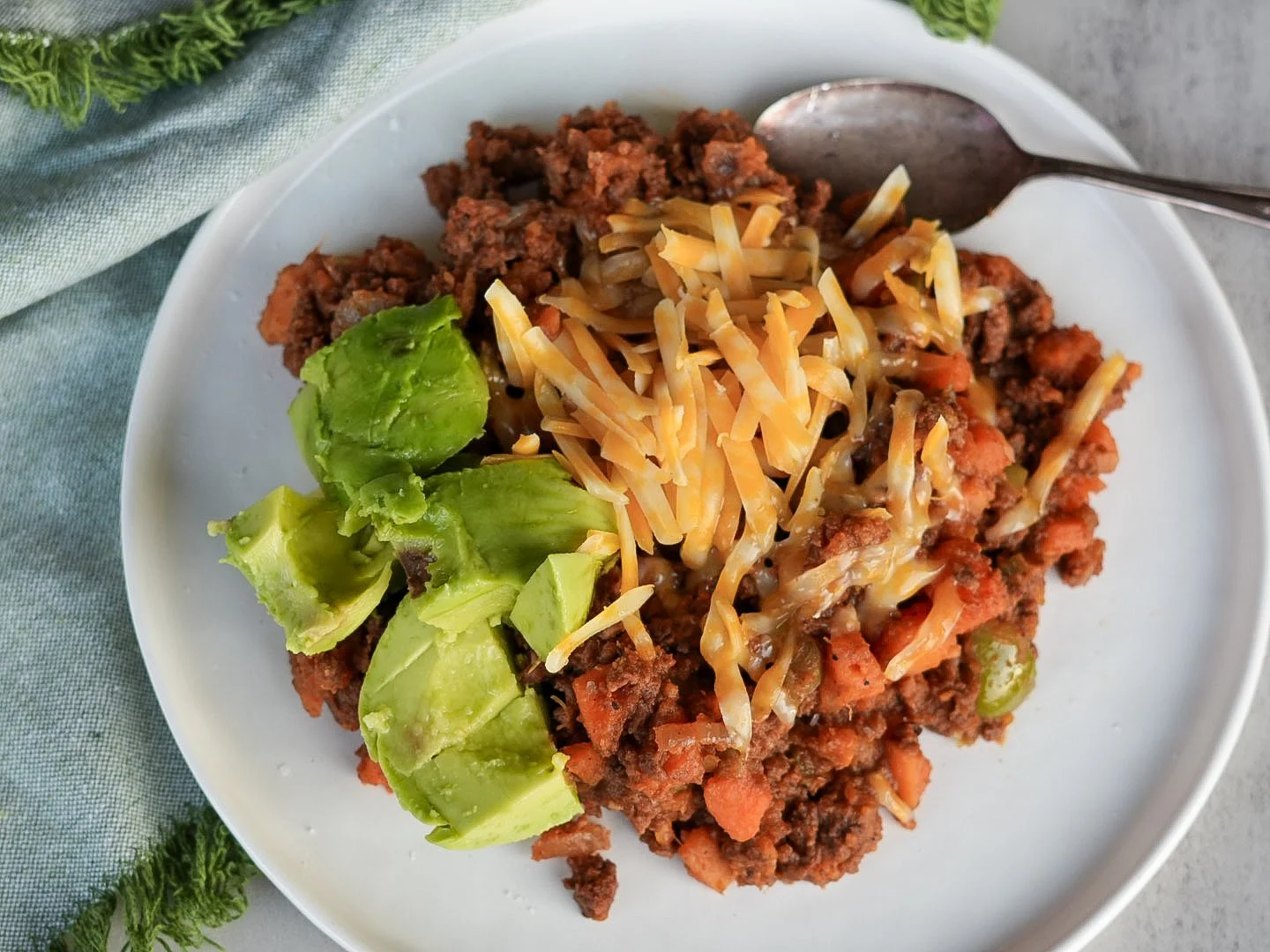
Simple meals built around protein, carbs, and fats can make a huge difference in how you feel.
Macronutrients can feel like a complicated topic - what are they? What are the best sources? How should I pair them?
I'm going to help you break it down!
But first, hey guys, Fallon here! If you’re new here, welcome! I’m a Certified Nutritional Practitioner who helps women feel empowered in their health journey, learn how to confidently eat well, find healing and support during chronic illness, and gain kitchen confidence through simple, delicious recipes for you and your family!
Healthy Protein, Carbs, and Fats: Simple Food Lists for Healing & Energy
When I first started focusing on healing and supporting my metabolism, I realized something pretty quickly:
I didn’t need more complicated rules.
I needed better foundational foods.
Not perfect eating. Not restrictive eating.
Just simple, nourishing foods that actually support my body.
And at the end of the day, it really comes back to three things:
👉 protein
👉 carbohydrates
👉 fat
Why Protein, Carbs, and Fats Matter
(Most) everything we eat falls into one of these categories!
And each one plays a role in how your body functions day to day:
Protein supports muscle, hormones, and recovery
Carbohydrates provide energy and help regulate stress
Fat supports hormones, brain health, and satiety
When one of these is missing, or under-eaten, it can show up as:
low energy
cravings
feeling constantly hungry
or just feeling “off”
For me, things started to shift when I stopped focusing on what to cut out… and started focusing on choosing better sources of each.
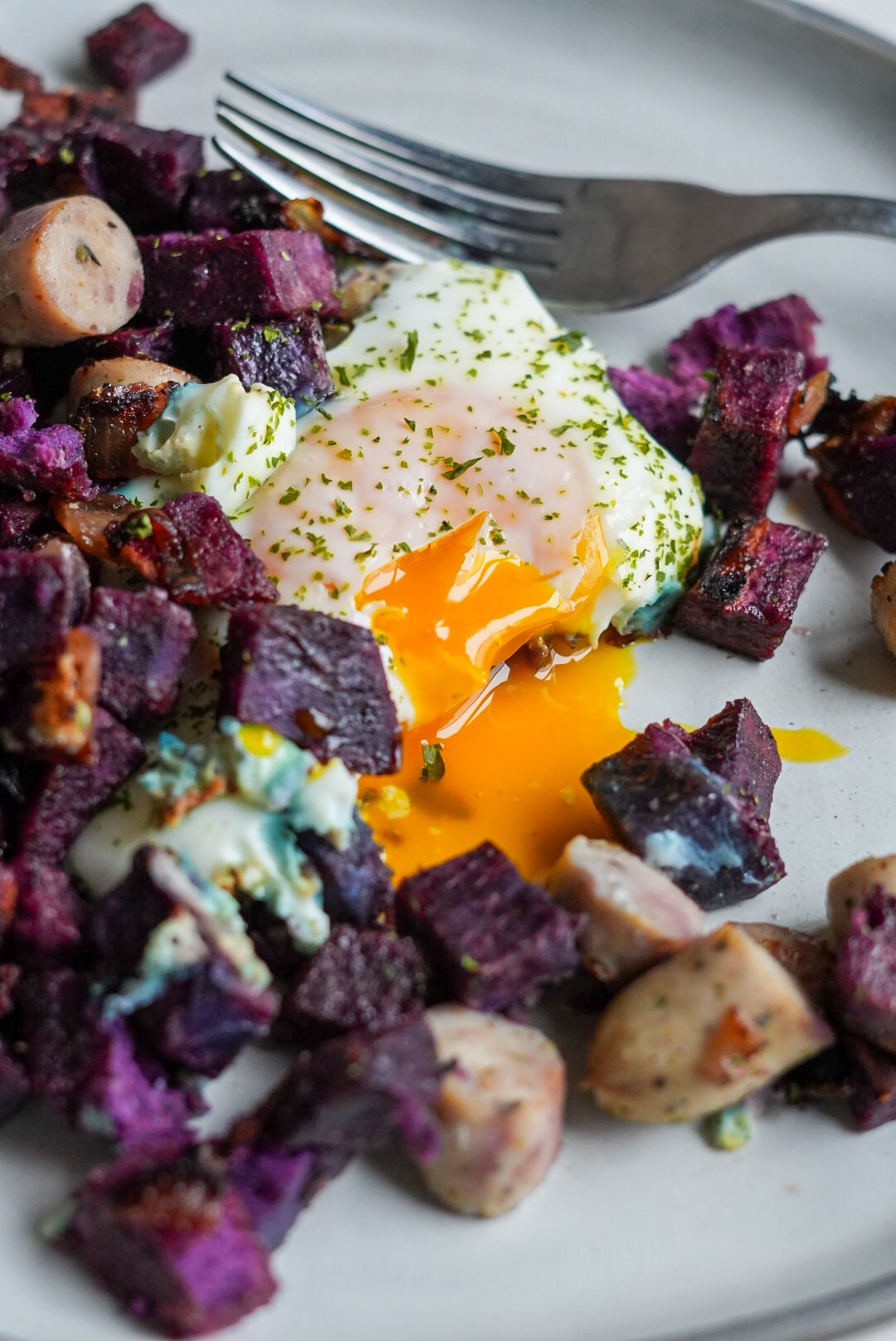
Healthy Protein Sources I Use Regularly
Protein is one of the biggest things I see people under-eating, especially when they’ve been in a cycle of restriction.
So I try to keep this simple: include a source of protein at every meal and snack.
Here are some of my go-to options:
Dairy-Based Proteins
Skyr or Greek yogurt
Cottage cheese
Animal Proteins
Pasture-raised eggs
Grass-fed ground beef
Whole chicken, thighs, wings
Chuck roast, brisket, etc.
EXTRA Nutrient-Dense Options
Bone broth
Primal blends (with organ meats)
Wild-caught fish and shellfish
These are foods I rotate through regularly because they’re easy, filling, and actually satisfying.
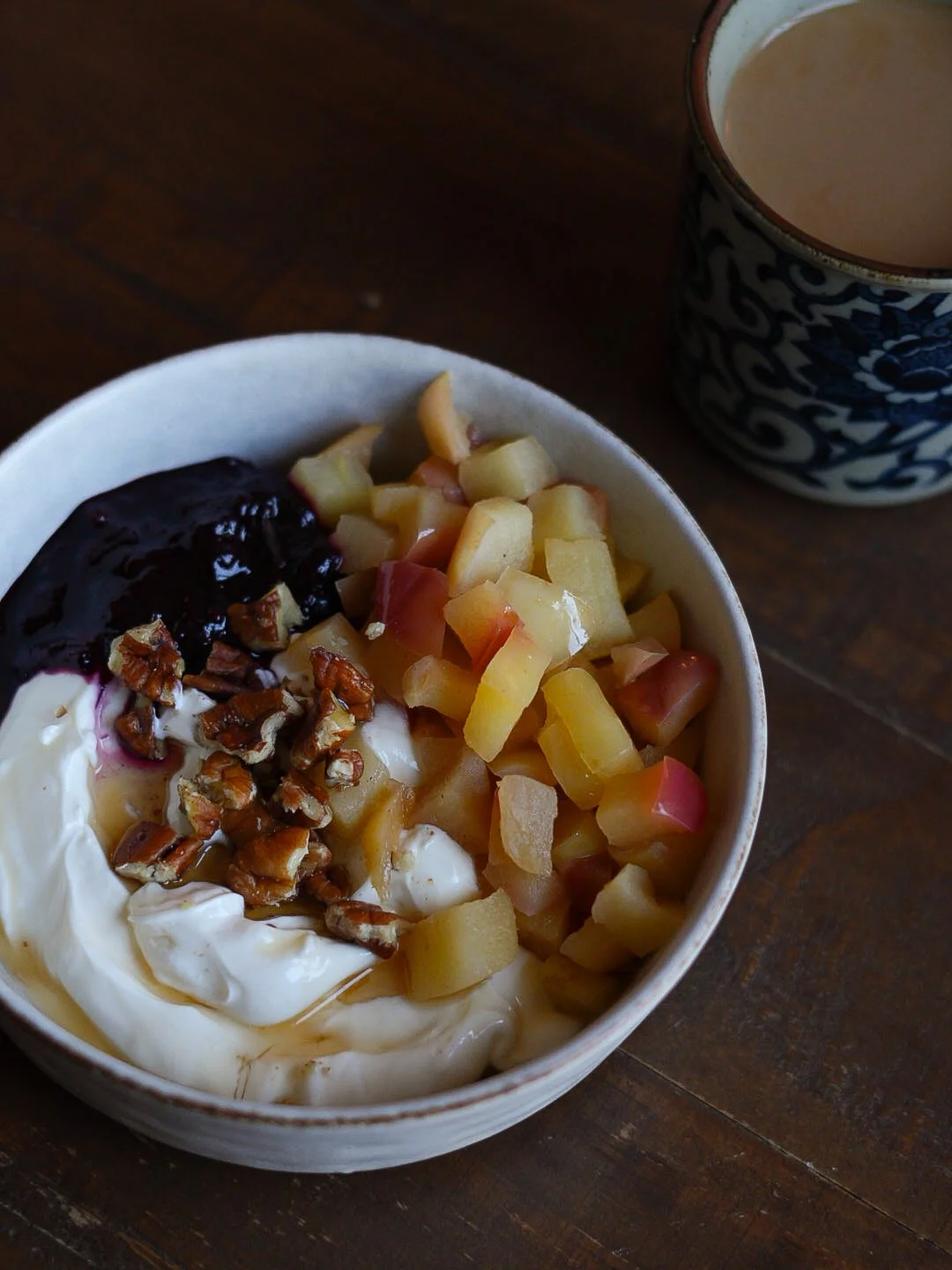
Best Carbohydrates for Energy
Carbs tend to get a bad reputation, but they’ve been one of the most important pieces in supporting my energy and overall balance.
Instead of avoiding them, I started focusing on choosing carbohydrates that are easy to digest and actually supportive.
Aren’t you so glad they can be part of a truly nourishing diet?!
Here are some I use often:
Fruit-Based Carbs
Fresh fruit
Orange juice
Berries
Apples
This list could go on nearly forever, but any fresh fruit is lovely!
Simple, Nourishing Sweeteners
Honey
Maple syrup
Blackstrap molasses
Coconut sugar
Starches
Potatoes
Sweet potatoes
Organic rice
Sourdough bread
Organic oats
Buckwheat
Millet
Beans & legumes
Carbs don’t have to be complicated, they just need to work with your body instead of against it.
Pairing carbs with protein helps stabilize blood sugar swings!
READ MORE: Carbs and Sugar, friend or foe?
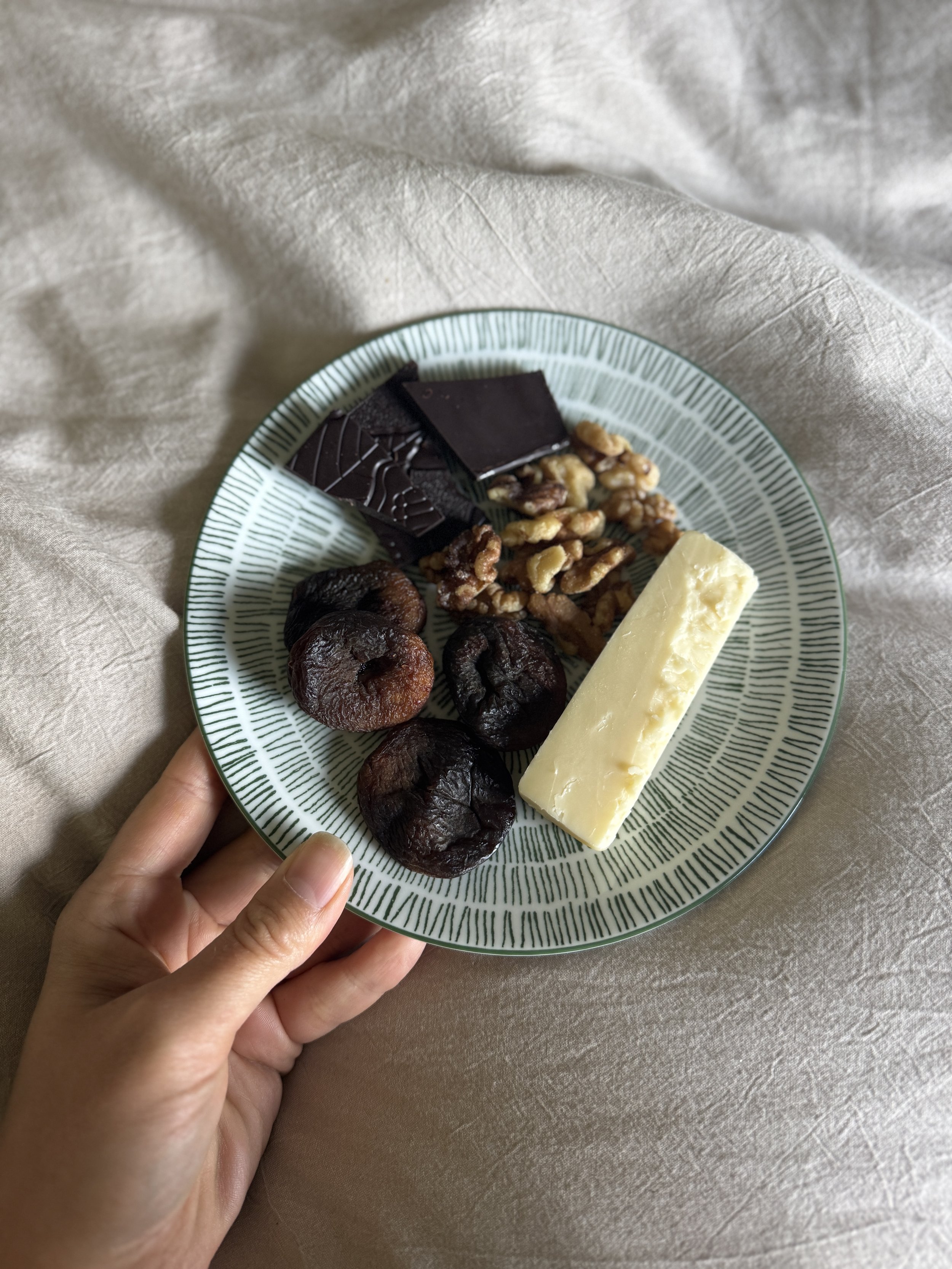
Healthy Fats That Support Hormones
Fat is another one that can be confusing, especially with so many mixed messages online.
For me, it came down to focusing on traditional, stable fat sources and not overthinking it.
Here are the ones I use most:
Butter
Ghee
Cream
Cheese
Coconut oil
Olive oil
Olives
Avocado
These are simple, familiar, and easy to include in everyday meals.
How I Combine Protein, Carbs, and Fats in Real Life
This is where everything started to click for me.
Because knowing what foods to eat is helpful, but knowing how to put them together is what actually makes it sustainable.
Food isn’t just about a “list”, it’s about how to combine it, too!
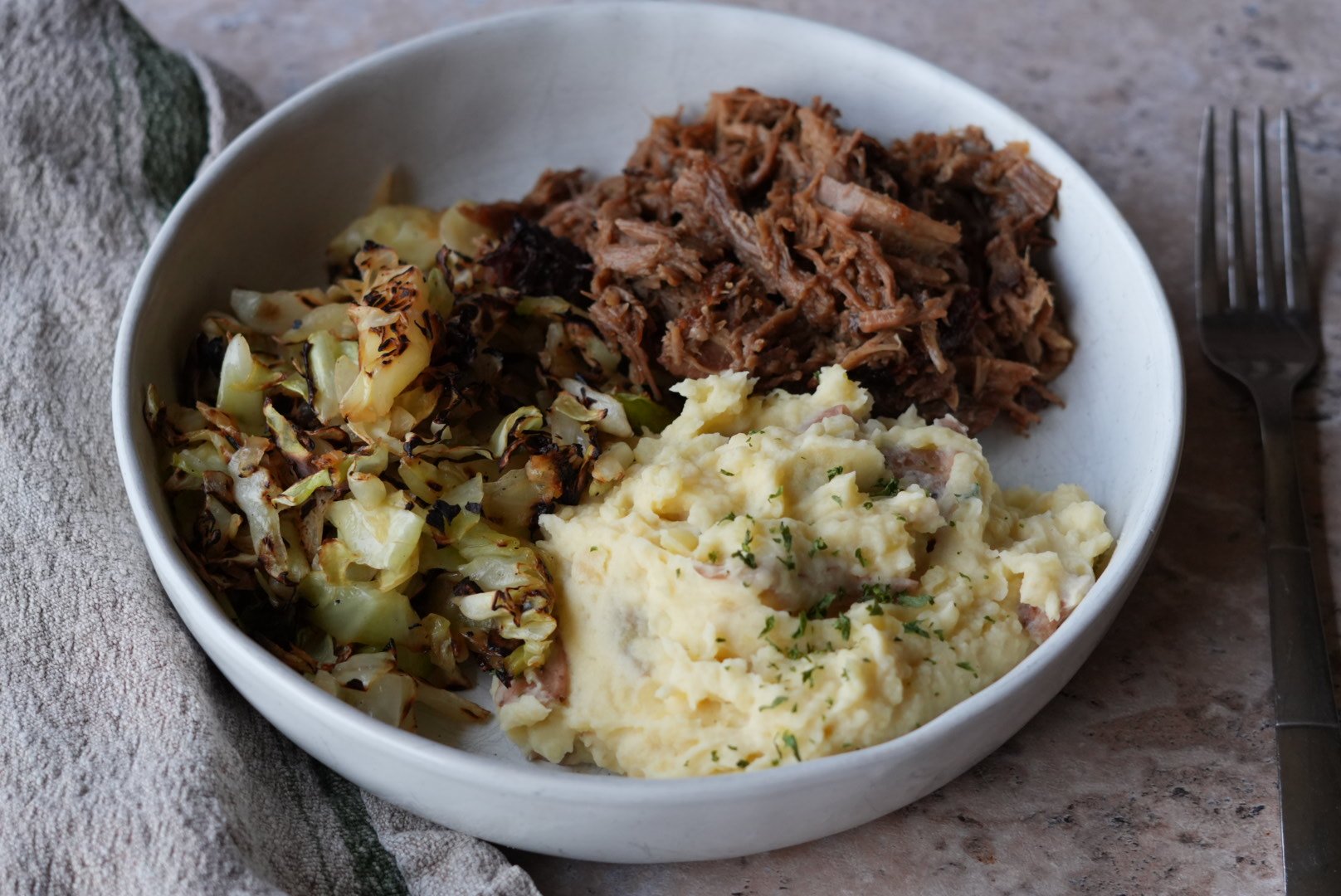
Most meals in our home follow a simple pattern:
👉 protein + carbs + fat
Nothing fancy, just balanced.
A few examples:
Eggs cooked in butter with sourdough and fruit
Ground beef with rice and a side of fruit or juice
Yogurt with honey and berries
Slow-cooked meat with potatoes
These kinds of meals:
keep you full longer
support steady energy
and help avoid constant snacking or crashes
And honestly, once I had a few go-to meals like this, everything felt a lot easier.
What This Looks Like Day to Day
It’s not perfectly balanced every time.
It’s not complicated.
And it definitely doesn’t look like “diet food.”
It looks like:
real meals
consistent eating
and not overthinking every bite
Some days are simpler than others, but the foundation stays the same.
Where This Became Sustainable for Me
The biggest shift wasn’t just understanding these foods—it was having easy ways to actually use them.
Because knowing what to eat is one thing… but making it work in real life (especially with kids) is another.
That’s a big part of why I created my Nourish Cookbook.
Not as a strict plan—but as a way to make this feel:
👉 simple
👉 doable
👉 and repeatable
It’s built around these exact types of foods, combined in a way that supports your body without overcomplicating things.
It Doesn’t Have to Be Perfect, Friend
If you’re trying to support your metabolism or just feel better day to day, you don’t need to get everything exactly right.
Focusing on:
better food choices
balanced meals
and consistency
will take you a lot further than chasing perfection ever will!
Final Thoughts
For me, this shift wasn’t about doing more, it was about simplifying.
Choosing foods that actually nourish your body.
Building meals that make sense.
And letting go of the idea that it has to be complicated to be effective.
Want Simple, Balanced Meal Ideas?
If you want help turning these foods into easy, real-life meals, that’s exactly what I focus on inside my Nourish Collection.
It’s full of simple recipes built around protein, carbs, and fats, designed to support your body without overthinking it.
You can check it out here:
👉 fallonstable.com/nourish-collection
Frequently Asked Questions About Protein, Carbs, and Fats
Do you need protein, carbs, and fats in every meal?
Not every single meal has to be perfectly balanced, but including a mix of protein, carbohydrates, and fats throughout the day can help support steady energy and keep you feeling satisfied.
For a lot of people, aiming for balance at most meals makes things feel easier and more consistent!
Are carbohydrates bad for you?
Carbohydrates are often misunderstood, but they’re one of your body’s main sources of energy.
Instead of avoiding them, it can be more helpful to focus on choosing carbohydrates that are easy to digest and pairing them with protein and fat for better balance.
How do I know if I’m not eating enough protein?
Some common signs can include:
feeling hungry shortly after meals
low energy
cravings throughout the day
Adding a consistent protein source to your meals is a simple place to start - and especially prioritize a protein-rich breakfast!
What are the healthiest fat sources?
Healthy fats don’t have to be complicated. Just think ancestrally!
Simple options like grass-fed butter, organic dairy, olive oil, ghee, and coconut oil can be easy to include and help support hormones, satiety, and overall balance.
How do you build a balanced meal?
A simple way to think about it is:
👉 protein + carbs + fat
It doesn’t have to be exact or perfectly measured, just including all three in a way that works for you can make a big difference in how you feel.
I’ve got full guides on building balanced meals and snacks in my Nourish book!
Can balanced meals help with energy and cravings?
Yes! This is one of the biggest benefits.
Meals that include protein, carbohydrates, and fats can help:
support more stable energy
reduce constant snacking
and keep you feeling full longer
Do I need to track macros to eat this way?
Nope!
You don’t need to count or track everything to build balanced meals.
If you really like data, it can be fun for a short season, but it’s not necessary, and I find it more sustainable to not have the constant stress of tracking!
For most people, focusing on simple combinations of real food is enough to support their body without overcomplicating it.
Having a few simple, balanced meals you can rely on makes this so much easier—which is exactly what I focus on inside my Nourish Cookbook!