What Is Food Freedom? A Biblical Approach to Nourishment (Without Diet Culture)
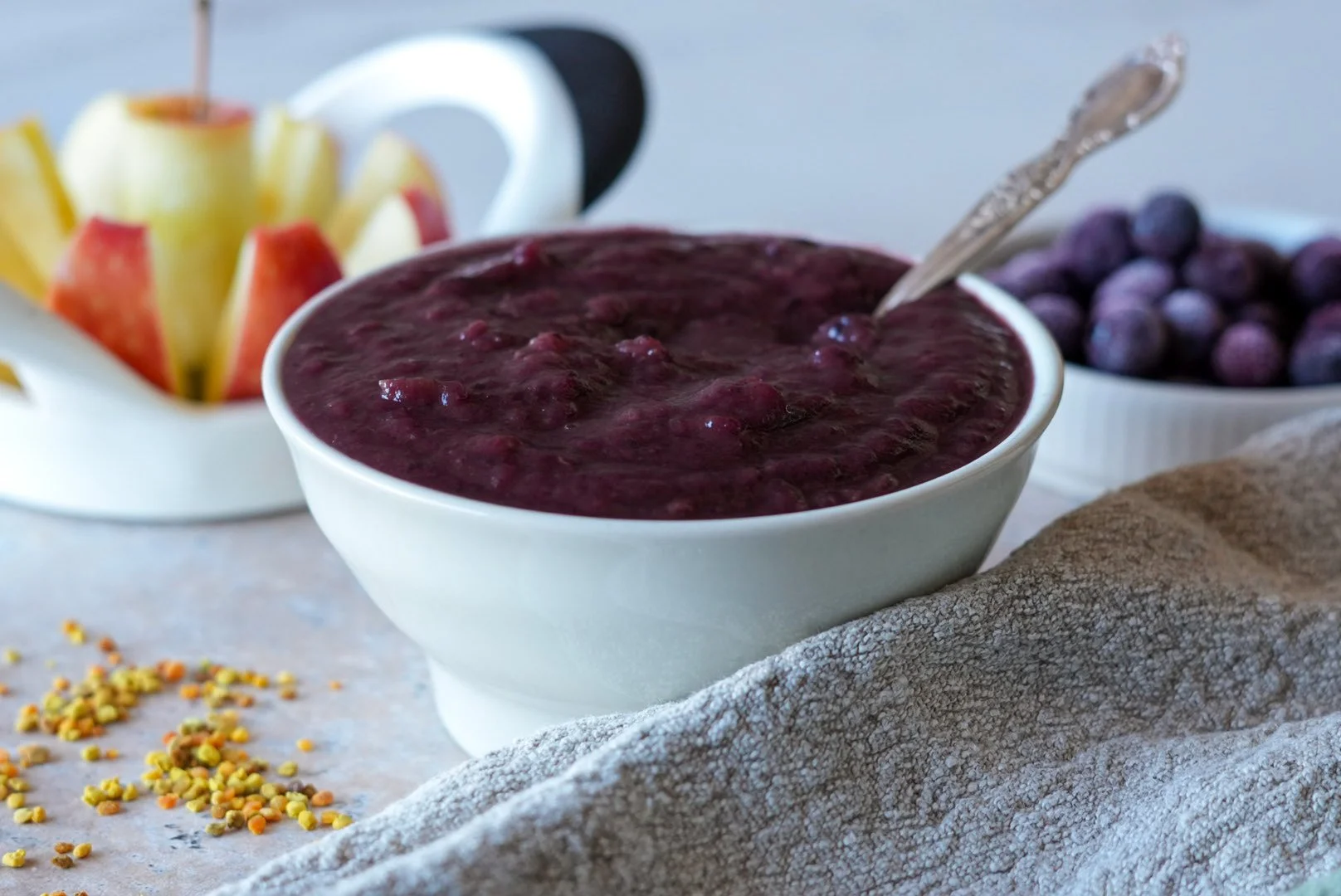
This is the blueberry applesauce in my Tots cookbook. It’s just cute, that’s all 😉
First - if you’re new here - welcome!
I’m a Certified Nutritional Practitioner and recipe developer who helps women feel empowered in their health journey, learn how to confidently eat well, find healing and support during chronic illness, and gain kitchen confidence through simple, delicious recipes for you and your family!
For a long time, I thought “health” meant control. Tracking. Restricting. Trying to eat less, weigh less, and be more disciplined. But the more I tried to control my food…the more disconnected I became from my body and my meals.
And maybe you’ve felt that too.
Always thinking about food
Feeling guilty after eating
Swinging between restriction and cravings
Trying to “be good” instead of being nourished
At some point, I started asking a different question: what if food wasn’t something to control…but something to receive with wisdom and thankfulness?
What Food Freedom Is (And What It Isn’t)
Food freedom has become a popular phrase, but it often gets misunderstood.
It’s not:
Eating whatever you want, whenever you want, without thought
Ignoring how food makes you feel
Chasing cravings without structure or real-food ingredients
And it’s also not:
Counting every calorie
Cutting out entire food groups
Living in fear of food
True food freedom lives somewhere deeper. It’s the ability to eat with both peace and purpose.
The Problem With Diet Culture
Most of us were taught to approach food through restriction.
Eat less. Avoid certain foods. Control your body.
But this approach often leads to:
Slowed metabolism
Increased cravings
Hormonal imbalance
Mental exhaustion
And over time, it creates a disconnect: you stop trusting your body. You stop recognizing hunger. You stop feeling satisfied. This is why so many women feel stuck - doing everything “right,” but feeling worse.
Why Nourishment Matters
Your body is not a machine to fight against. You were made in the image of God, my friend, and he made your body with goodness, love, and intention. Our bodies are an intricate system designed to create, love, sustain, and adapt.
When you don’t eat enough, or don’t eat nourishing foods, your body responds by slowing things down.
(This is where many women begin to experience signs of a struggling metabolism..like fatigue, constant hunger, or feeling stuck.)
👉 [You can read more about that here → Signs Your Metabolism Is Slowing Down]
Food isn’t just fuel.
It’s information. It’s support.
It’s how our body is built and restored.
For me today, true nourishment is about this beautiful combination of honoring what humans have been eating throughout history in a way that feels supportive, enjoyable, accessible, and not restrictive.
And while I have my own definition and standards for what I eat, nourishment is also about gathering, tradition, and culture. It's about connectedness, community, and togetherness.
(Which is why I love what I do SO much - it's not just a meal, our food can highly influence the very culture of our family and home!)
So yes, nourishment is about so much more that just food, but I’ll focus on the food bit for a bit! 😊
Being able to eat seasonally, locally as much as possible, and honor food in the context it’s found in nature is such a gift.
What do I mean by “context in nature”?
Think about how difficult or easy it is to access certain foods - grains, for example, have grown in abundance for all of human history. They are unfortunately grown much less pure in our modern age, but this is a crop that offers a lot of yield typically.
Nuts and seeds on the other hand, are beautifully nutritious foods but also take a lot of effort to gain a small portion - cracking the nut takes a lot of work for a little bit of meat, so I like to enjoy them in that context, not as a base for recipes!
Ultimately, nourishment in my opinion, needs to feel sustainable, accessible, and attainable.
(I know I sound like a Baptist preacher a bit.)
That’s why real, whole foods that we also enjoy are so important!
A More Traditional View of Food
If you look at traditional cultures, food was never approached with fear.
Meals were: regular, nourishing, prepared with care, and shared in community.
There was no obsession with eating less. The focus was on eating well.
Foods were chosen not because they were low in calories, but because they were:
sustaining
nutrient-dense
life-giving
This kind of eating builds resilience, not restriction!
And food is meant to be comforting - that’s not wrong! (See my round-up of ultimate chicken-based comfort food dinners here!)
A Biblical Perspective on Food and the Body
Scripture doesn’t present food as something to fear or control obsessively. Instead, we see themes of provision, gratitude, and stewardship.
Food is given as nourishment. Jesus often used food and meals in his ministry to provide, connect, teach, and serve.
Our role isn’t to manipulate our bodies into submission, but to care for them wisely. That means: eating enough, choosing foods that truly nourish, and living with rhythms instead of extremes.
It also means letting go of guilt. Because food was never meant to carry shame.
And we also know while bodily care is of value, “godliness is of value in every way, as it holds promise for the present life and also for the life to come.” 1 Timothy 4:8
So while we seek to nourish and care for our bodies, we know that they are a piece of our whole being - body, mind, and spirit!
Signs You May Be Stuck in Diet Culture
You might still be operating from a diet mindset if:
You feel anxious about eating more
You avoid foods even when your body wants them
You’re constantly trying to “get back on track”
You don’t trust your hunger cues
You equate eating less with being healthier
This isn’t freedom. And I learned that from living it! I truly believe there’s more grace, abundance, and freedom for you, friend.
What Food Freedom Actually Looks Like (and Means!)
Food freedom is about stepping away from diet camps that demonize whole foods and feeling peace with pursuing nourishment OVER pursuing an image or body type.
But I do always want to be clear that food freedom, to me, is not a “free for all” in the same sense that putting a toddler in a room with your Aunt Carol's glass breakables wouldn't give them a feeling of freedom and empowerment. (hang with me for a sec).
But if I put a 2-year-old in a baby safe room where they're able to roam and explore without consequence or harm, that feels like freedom.
It’s also the same way that freedom in Christ is not about doing whatever we want and “getting away” with it - just like being conformed to Christ’s likeness makes us rejoice in his statues and words, food freedom gives us the ability to rejoice over real whole food as our typical pursuit.
In the same way, I find such freedom in feeling no fear around any food that is REAL.
But that doesn't mean I want unhindered and maybe even unhinged access to all the processed food in a store.
Freedom is about knowing the consequences on the table, just as much as experiencing benefits!
And while within the boundaries of food freedom, I do not consume hyper-processed foods regularly, I also have the grace that if I want to have a date night with my husband at a restaurant where I can’t control every ingredient, that is absolutely okay.
Food freedom isn’t chaotic, it’s like living within boundaries we were meant to have. A fish doesn’t thrive on land because it wasn’t meant to be there. Our bodies thrive on the real food we were designed to eat! Food freedom within wise boundaries looks like:
Eating regular, balanced meals
Including carbohydrates, protein, and healthy fats
Feeling satisfied after eating
Having stable energy throughout the day
Not obsessing over food between meals
It also looks like:
Trusting your body again
Letting go of fear
Making food choices from wisdom, not anxiety!
PS - If you’re wondering what IS real food, read my post here!
Where to Start (Simple + Practical)
If this feels overwhelming, start small.
Stop skipping meals
Add nourishment before removing anything
Build meals around real, whole foods
Pay attention to how you feel, not just what you eat
And most importantly:
👉 Shift your goal from control → to nourishment
If you’re wondering what this actually looks like in everyday life—
This is exactly why I created my Nourish cookbook.
Simple, nourishing meals designed to:
support your body
help you eat enough
bring peace back to your kitchen
And if you want a simple place to begin:
👉 Download my 5 Real Food Family Dinners (free!)
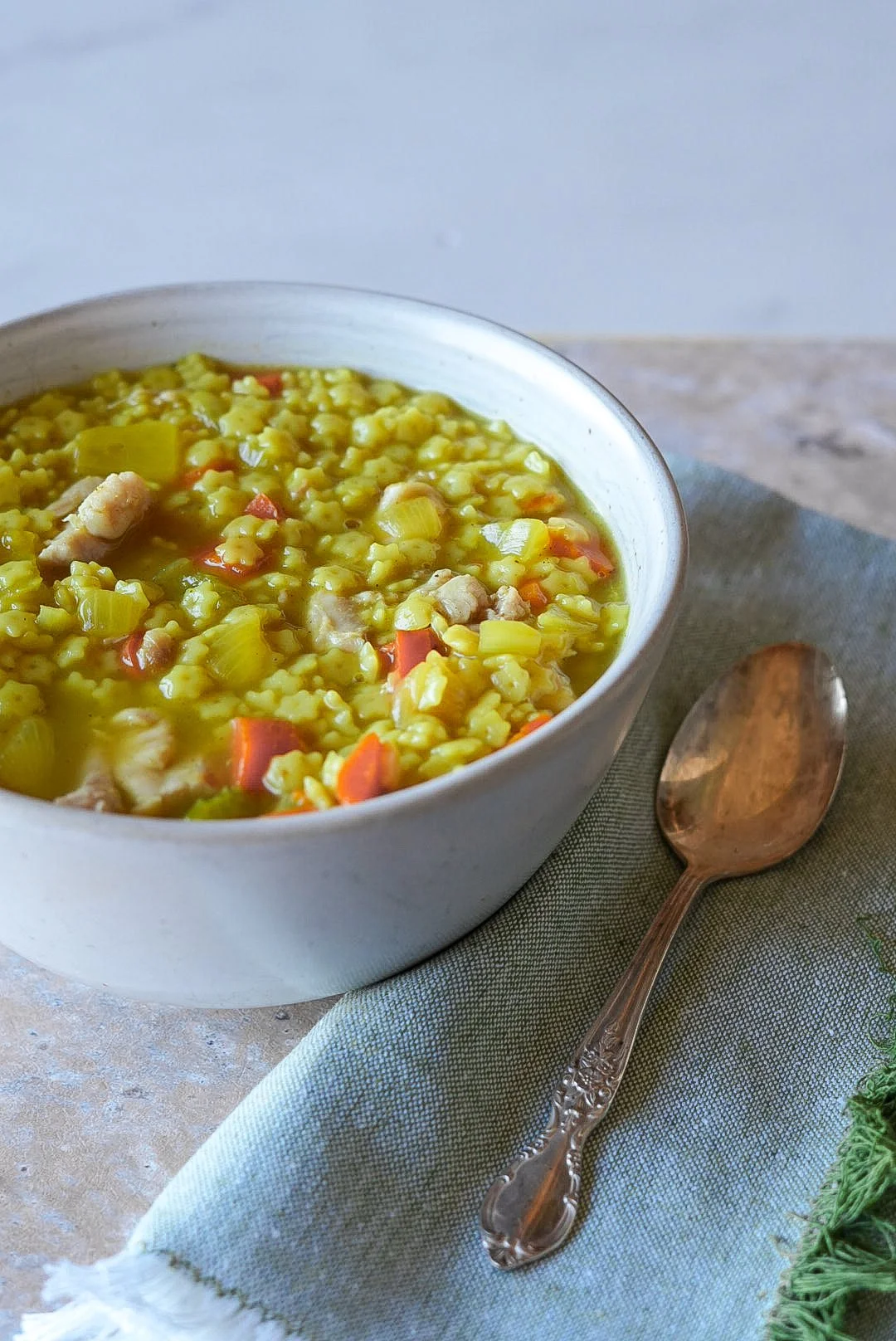
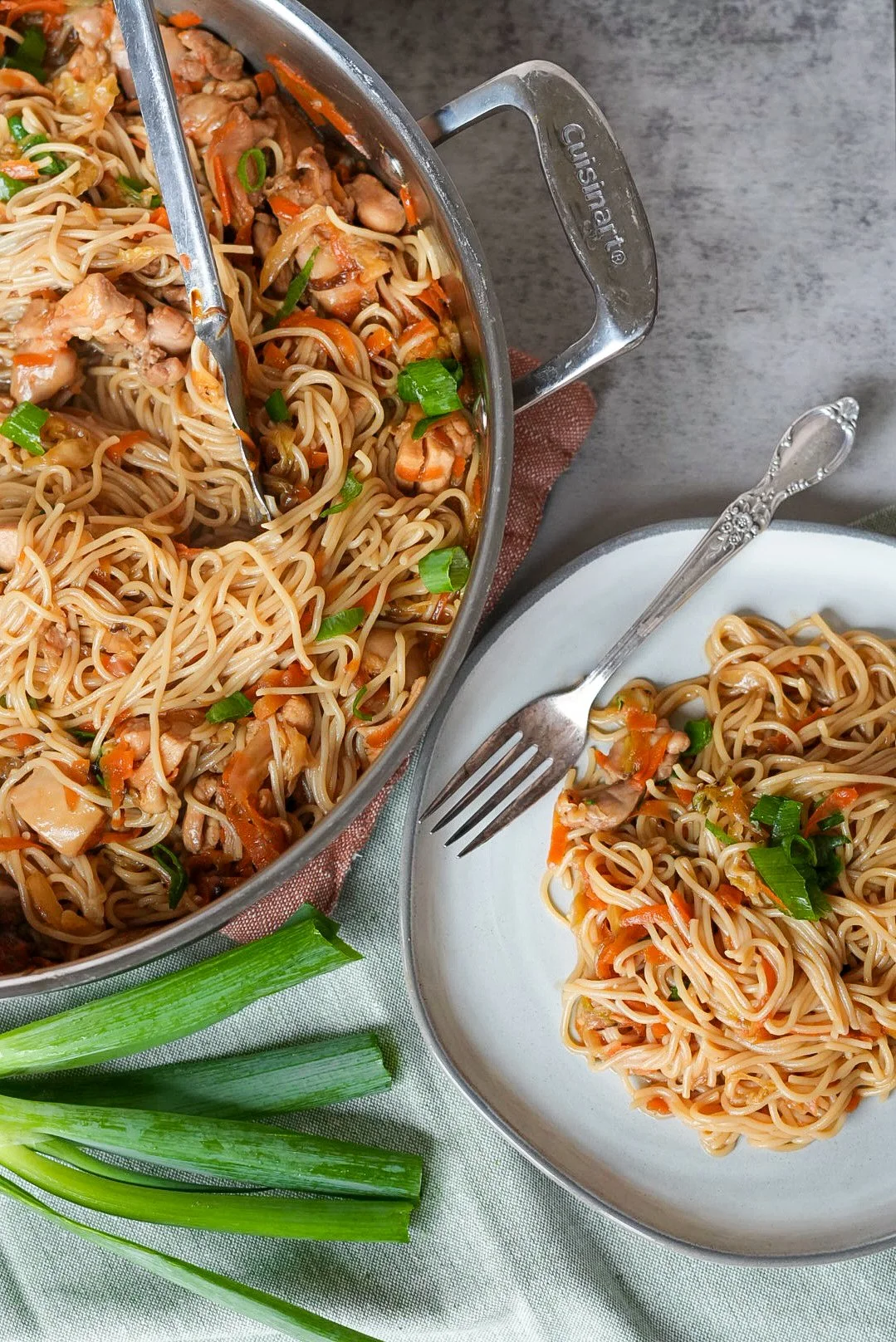
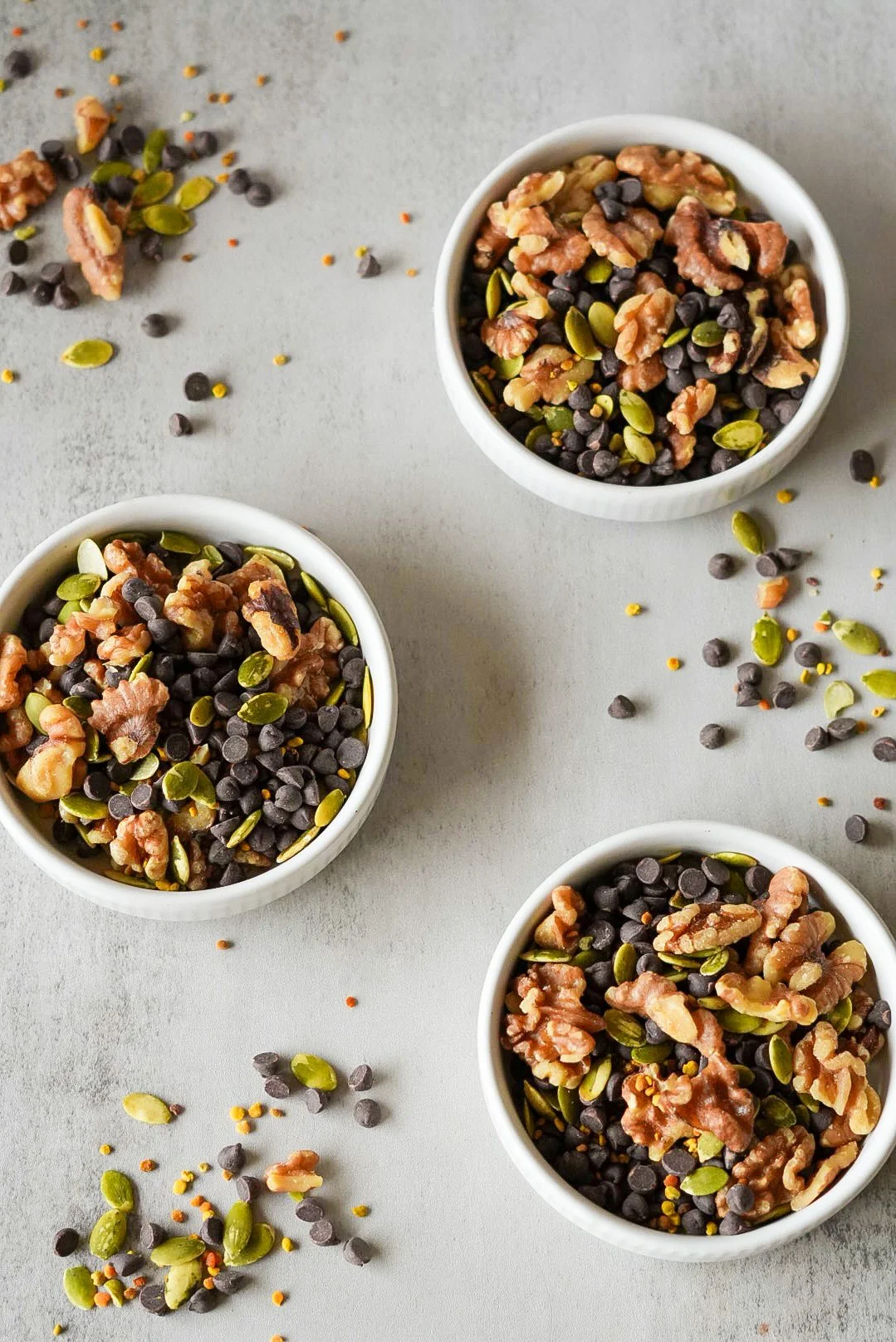
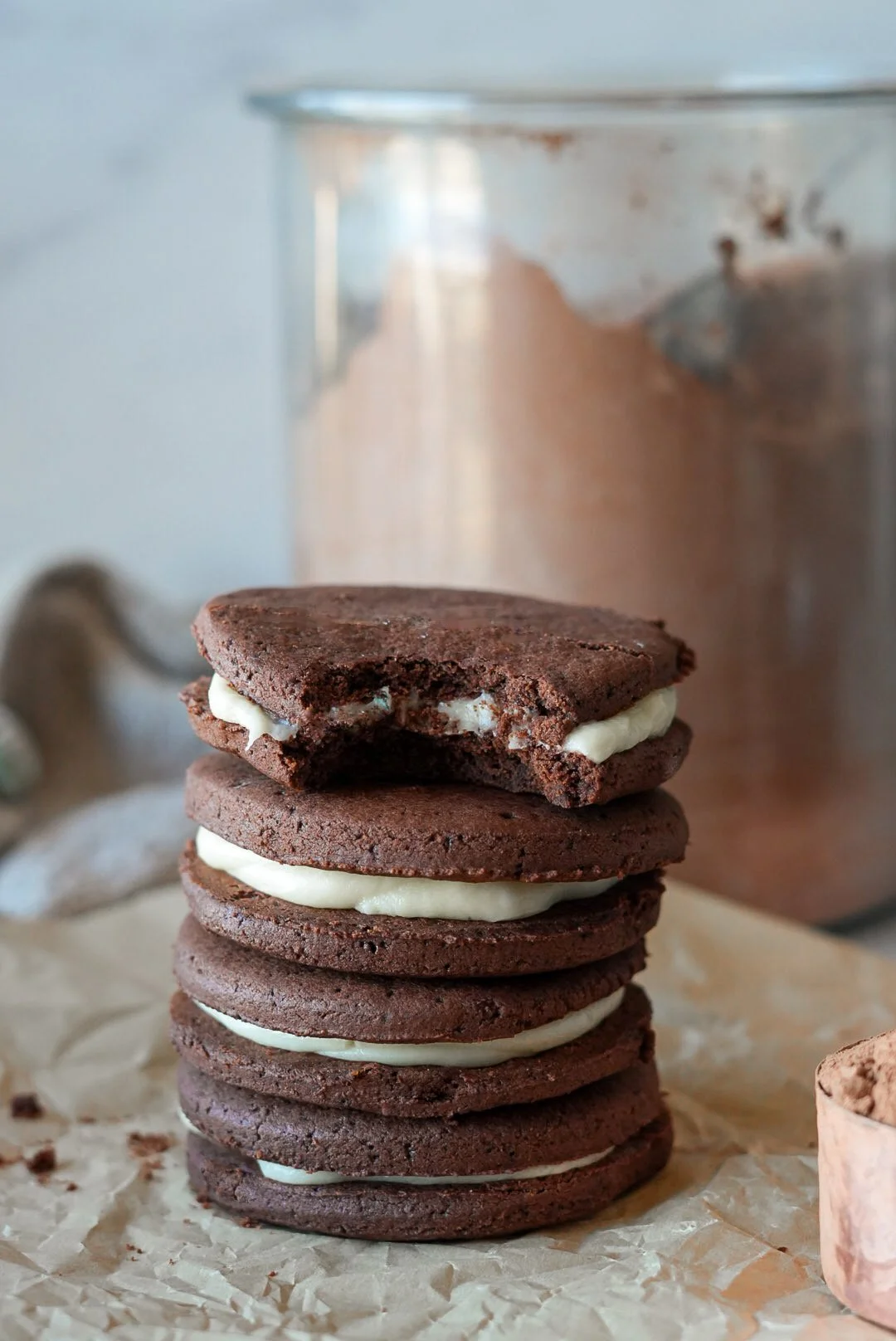
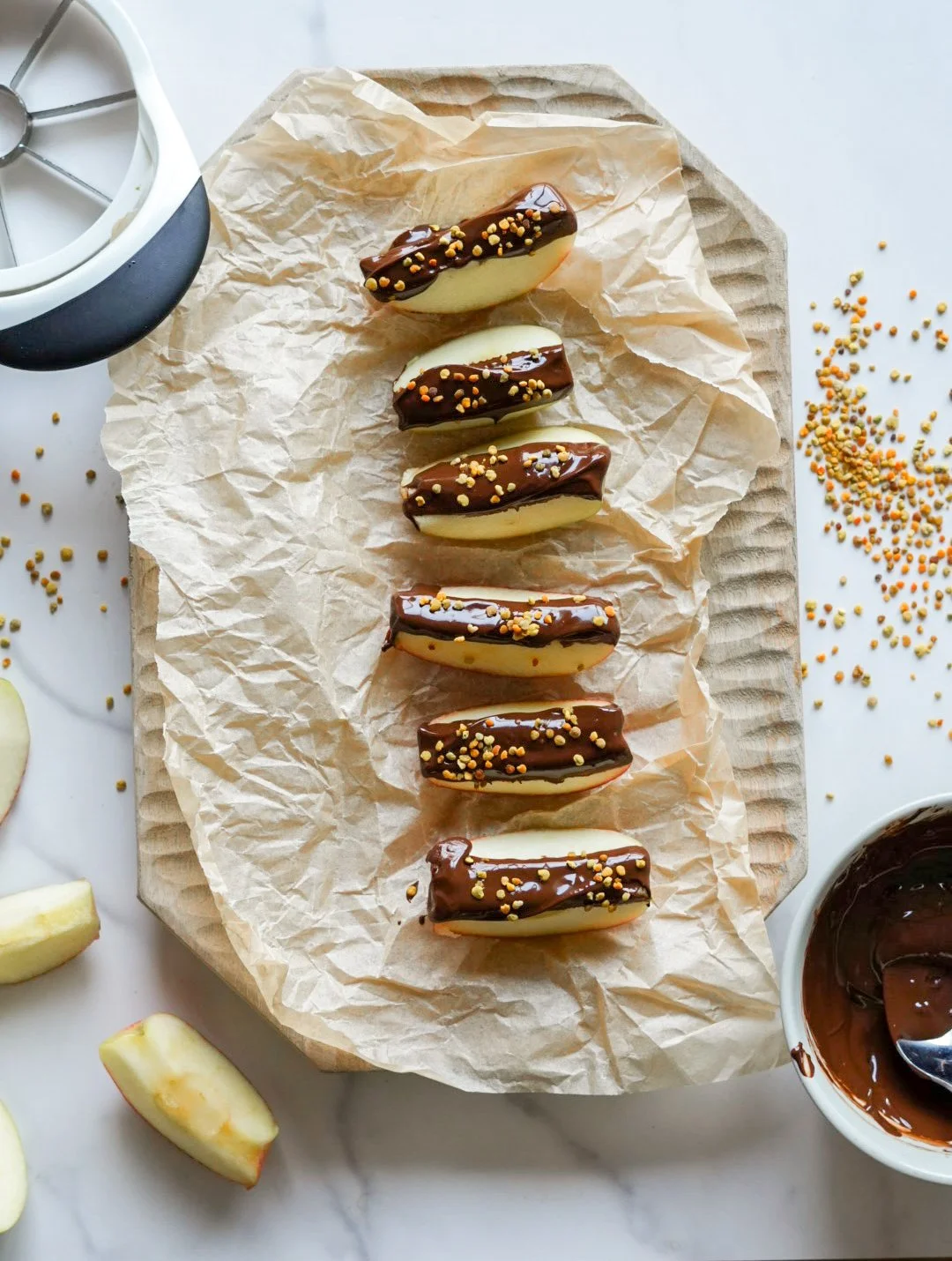
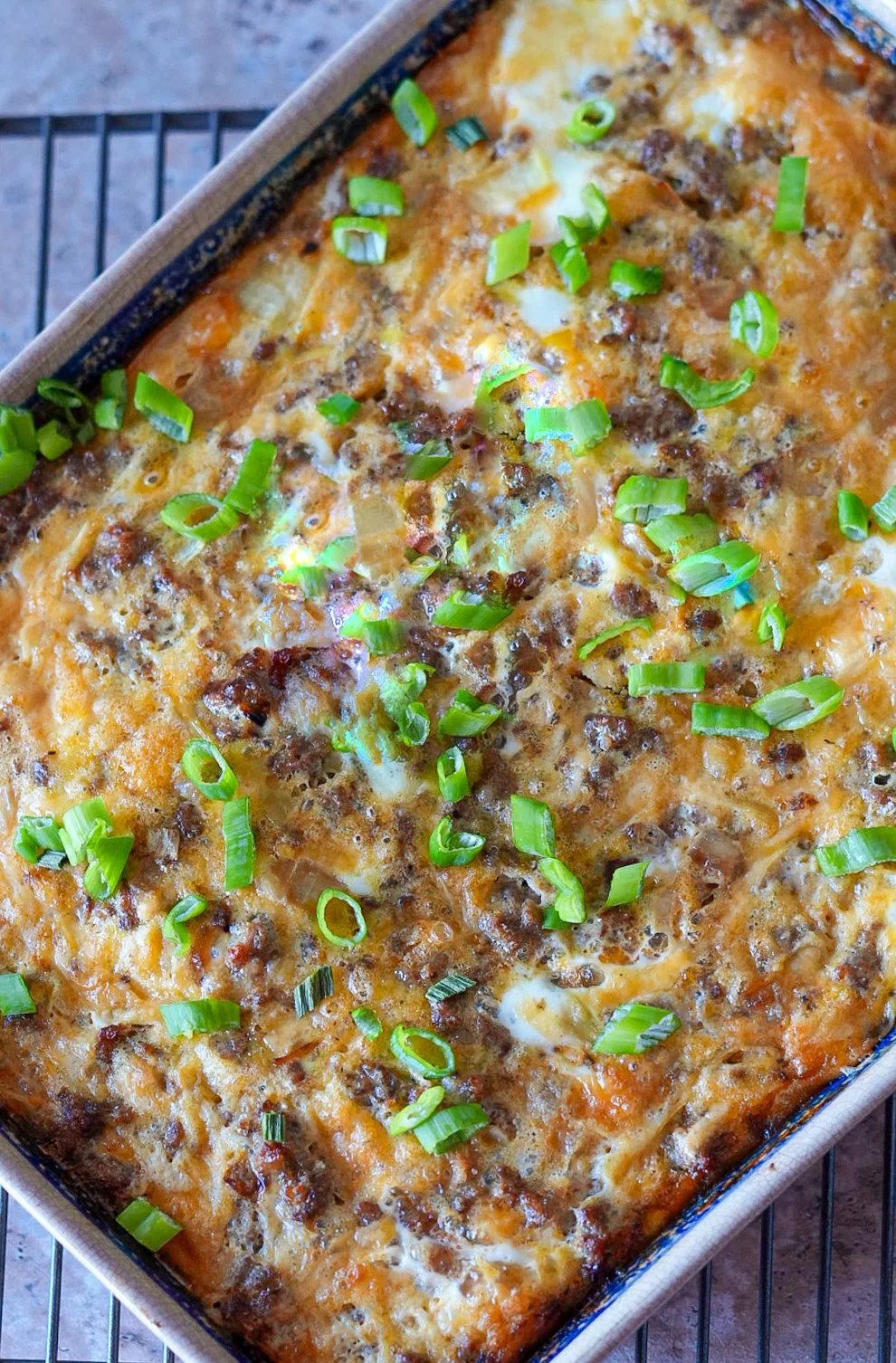
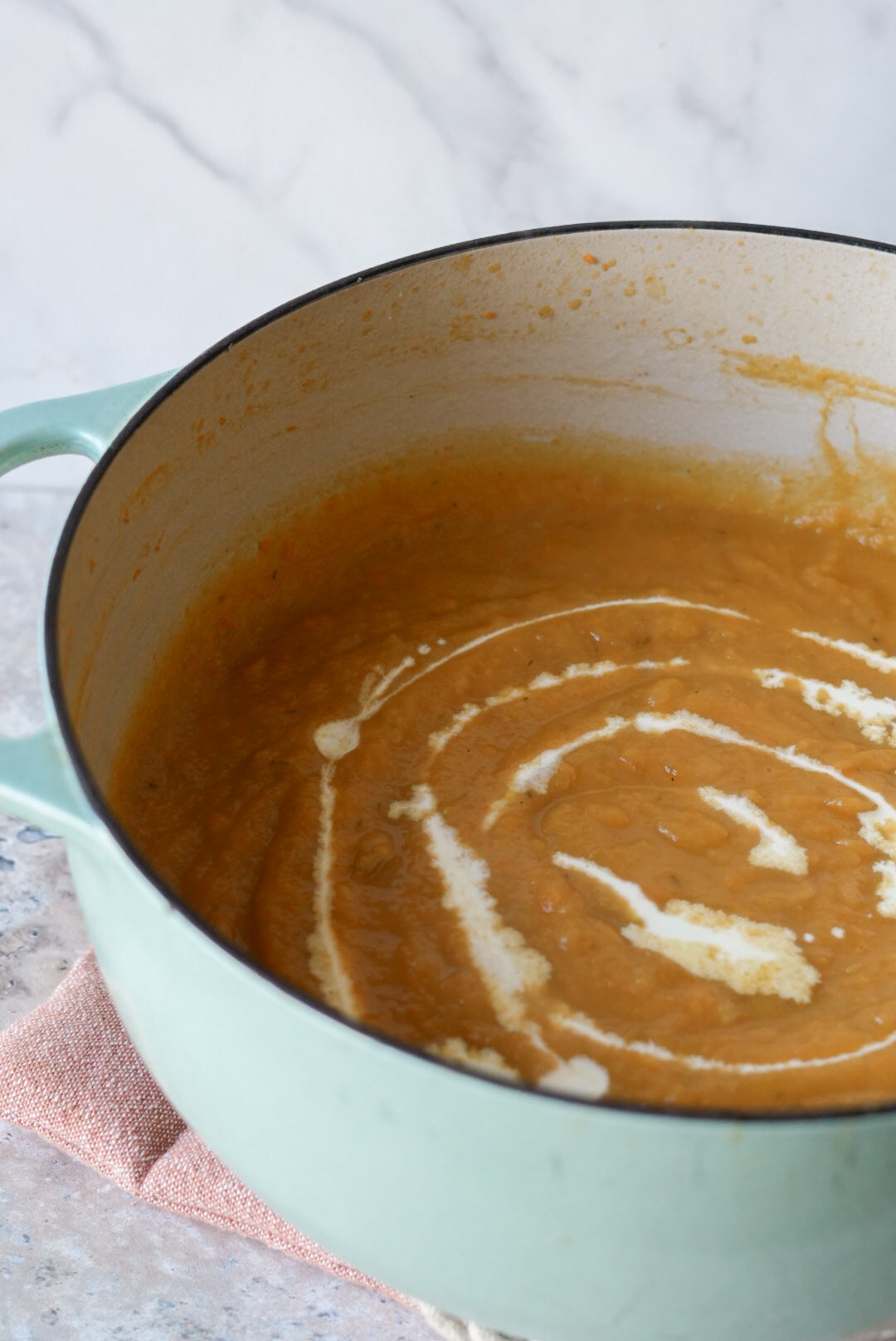

(a collection of drool-worthy nutrient-dense recipes from my Tots cookbook!)
What about Intuitive Eating?
This is another realm where I want to be careful with the definition and also LOVE the concept.
My husband and I have a running joke where he grabs something like take-out pizza and trolls me by saying, “It sounded good, I’m intuitive eating!!” 😂
Well….yes and no, sweetie 😂
I think our cravings have a lot of meaning. I fully believe God designed our bodies in a brilliant way to let us know what it is that we need in terms of nourishment. I find my own cravings and lab testing align every single time, without fail!
For example, maybe I’ve been craving chocolate and my magnesium shows up low, or maybe I’m craving blueberries and find I need antioxidant support. It truly matches up EVERY time.
(Which can give us a lot of peace when it comes to the battle of “over-testing” verses listening to our bodies - they do speak to us!)
But again, just as with the food freedom argument, we don’t want to unwisely approach a “good” thing - intuitive eating is also not about a free for all where we shovel candy because it *sounded good* 😉
We have to become investigators a bit and dig - do I need more quality carbohydrates? Do I need more nourishing food in general? Is there a nutrient that I’m needing more of?
If you’re willing to sift a bit, you can usually find a supportive answer that can also help remove the shame so often found around cravings!
I bet you’re curious - why does my husband always want pizza? (yours, mine, everyone’s…) - the best of the best pizza version would be a nice little package of potassium, quality fats, good sodium, and carbohydrates! Think sourdough crust, organic marinara, organic hand shredded mozzarella…YUM.
That's all for today, friend - I hope this helps in your own process of figuring out what food, freedom, & nourishment looks like for you!
RELATED POST: 10 Signs Your Metabolism Is Slowing Down (And Why You Might Not Be Eating Enough)
RELATED POST: The Benefits of Eating Seasonally
RELATED POST: Overwhelmed with the Health World?