What Is a Real Food Diet? A Simple Guide for Any Starting Point!
What Is a Real Food Diet? (Or a Whole Foods Diet?)
With phrases like “real food” and “whole foods” around every corner right now, you might have wondered what exactly this idea entails! Don’t worry…it does not mean exclusively eating and shopping at Whole Foods 😆.
First - if you’re new here - welcome! I’m Fallon - a Certified Nutritional Practitioner and recipe developer who helps women feel empowered in their health journey, learn how to confidently eat well, find healing and support during chronic illness, and gain kitchen confidence through simple, delicious recipes for you and your family!
With that in mind - you can imagine I care deeply about real food - what it is and how to make it work in your own kitchen!
My streamlined, personal definition of a “real food diet” firstly, isn’t a “diet” in the traditional sense.
It is my opinion that to truly pursue eating real food, all real food gets to be on the table!
Anything that God created - that was intended for food consumption - from plants to fruits to animals, is what I call “real food.”
I believe our Creator gave food as a gift, as an opportunity for not only nourishment, but also connectedness, enjoyment, and beauty!
What Foods Are Considered “Real Food” or “Whole Foods”?
When I talk about real food, I’m not talking about anything complicated! I’m talking about foods that are: recognizable, minimally processed, and made with ingredients you can actually identify. Real food focuses on single ingredients that came from the earth in some capacity and are truly God-provided!
For example, things like:
Meat, poultry, & seafood
Eggs & dairy
Fruits & vegetables
Whole grains & legumes
Traditional fats
Nuts, seeds & other minimally processed foods
Which begs the question….
What Foods Aren’t Considered Real Food?
When we zoom out, this is going to include anything that is a modern manufactured version of “food” - items and ingredients that we can’t find organically in nature and that weren’t a part of human consumption often until the last hundred years. (Isn’t that a wild thought?!) For example, things like:
Ultra-processed foods
Artificial colors, flavors, & sweeteners - this includes things like preservatives, stabilizers, food dyes, etc
Highly refined oils
Highly processed snack food
Unfortunately these can sneak into many “health” food brands as well - clever marketing and greenwashing can make it difficult to sort through what pre-packaged foods are truly nourishing, so while we are not aiming for (or even capable of!) pure perfection here in our modern day and age, using a keen eye when evaluating food brands and ingredients is important!
Some sneaky items on this list to watch out for in “health foods”, in my opinion, are things like guar gum, xanthan gum, sunflower oil, safflower oil, canola oil, aspartame, and high fructose corn syrup.
On this note - I created a totally free download of the top 5 food additives & preservatives I would recommend cutting to radically change your health!
Why Eat a Real Food Diet? Why Does it Matter?
You may already know my family's story and the why behind Fallon's Table - but for those who are new here, here it is in a (quick!) nutshell:
When my second son was born, I was diagnosed with Hashimoto's, put on medication, and told more or less: "Good luck. This will never go away and there's nothing you can do but medicate."
My son was also dealing with the worst case of eczema our doctors had ever seen, plus anaphylactic food allergies, lung issues, and a severely limited diet. The answer there? Same thing: "Good luck. Medicate."
I sensed a pattern. And I felt a righteous anger at being failed by a system that had no real answers for us.
So I dove head-first into healing through food and holistic living and saw immediate, tangible results.
It wasn't a linear journey. It took years of wading through diets, protocols, doctor visits, and medical bills to figure out what actually worked on a sustainable level. I got lost in restriction along the way, whittling my diet down to 7–10 foods at one point.
But today? I'm off medication. My Hashimoto's is in remission. My son has healed from many of his allergies and chronic issues. And I get the incredible privilege of sharing our story - and the recipes that helped heal us.
The goal of real food is also to make life feel less chaotic and more simple - both within your mind and body! Eating in a way that nourishes our bodies down to our very cells in turn creates less stress in our body on a physiological level. Which maybe sounds fancy or complicated, but really just means that real food really does simplify your life.
(Again…as long as you’re using recipes that don’t have 27 steps 😉 My cookbooks are made for real moms in real kitchens…with real kids that don’t leave you in complete silence while you’re cooking!)
Do You Have to Eat 100% Real Food?
When I first started paying more attention to what we were eating, I fell prey to the lie that it needed to be perfect.
We were in the throes of chronic illness, my son and I both, and monitoring our diet felt like the only thing we could control.
Real food truly changed our lives, and now that we have cut through the healthy food noise and confusion, it feels much more sustainable and accessible and less about doing everything exactly perfect.
My advice? Take it one step at a time.
Because again, even in pursuing a whole foods diet, it’s nearly impossible to do it perfectly. I like to point people toward my Nourish Cookbook as a launching pad to help your family totally fall in love with nourishing foods while making it MUCH easier to make this pursuit attainable!
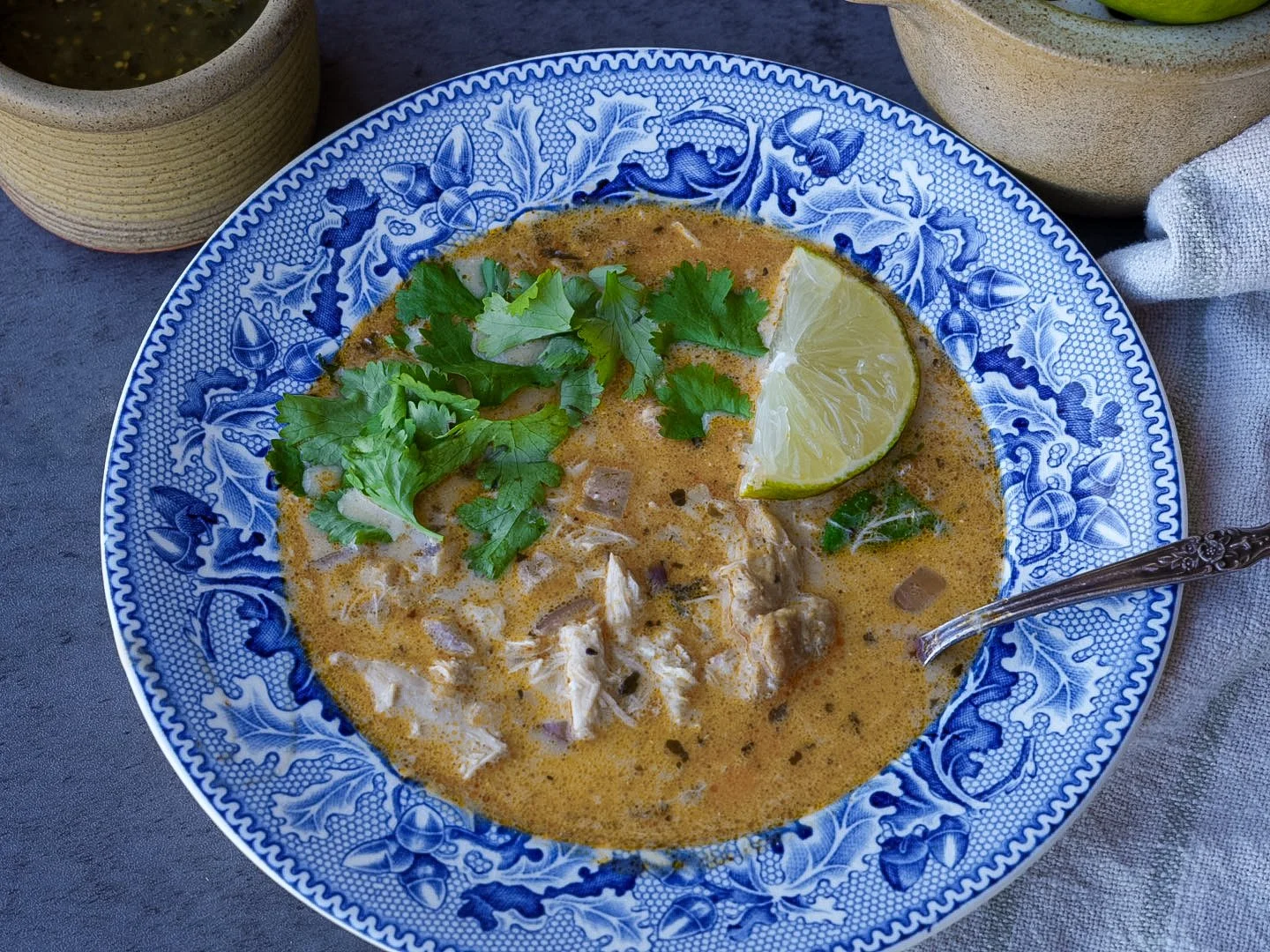
Find this Green Chicken Enchilada Soup in my Nourish Cookbook!
How to Start Eating More Real Food
Start with what you already eat
This is where my cookbooks can be a HUGE help - they are built around enjoyable, accessible meals that your family 100% will not turn up their noses at. Each of my recipes is created around simple pantry staples - no weird greens powders or huge emphasis on speciality ingredients; no meals made of straight raw kale and nuts. I promise.Add nourishing foods before taking foods away
While it is undoubtedly helpful to cut down on hyper-processed foods (and I do suggest that!), additions can sometimes feel a bit easier than removing everything all at once. My favorite add-ins are things like:
-bone broth
(see my post on how to make bone broth, nearly free!)-primal blend ground meats
-quality carbohydrate sources (ripe fruits, organic grains, root vegetables, etc. - things diet culture has told you to stay away from!)
-fresh herbs and spices
-quality sea salt (Jacobsen’s & Maldon are two of my favorites)
Cook simple meals at home
Shifting from eating out to making most everything at home and from scratch is a huge and helpful kickstart for a real food pursuit!Now I know what you might be thinking…”what the heck do I cook?”
I’ve got you there, too friend. Grab my 5 Real Food Family Dinners Download to have your meals completely planned for your weeknights! These meals are all prepped in under 20 mins - no fussy ingredients or extra kitchen time, promise 😉
Choose ingredients you recognize
Single ingredient items are a super easy way to start this journey - stay in those outside perimeter grocery aisles! Focus on buying groceries that are just one things - potatoes, ground beef, apples - you get the picture. And while that might sound boring at first glance, I promise my recipes can help you convert your single ingredients into magical, delicious, nourishing meals!Don't try to change everything at once
Your wallet and sanity will thank you. Hone in on a handful of manageable things, and then build. Over time, you’ll make sustainable shifts that will start to feel second nature!
What Does a Day of Real Food Eating Look Like?
Here’s what a typical day might look like in my home!
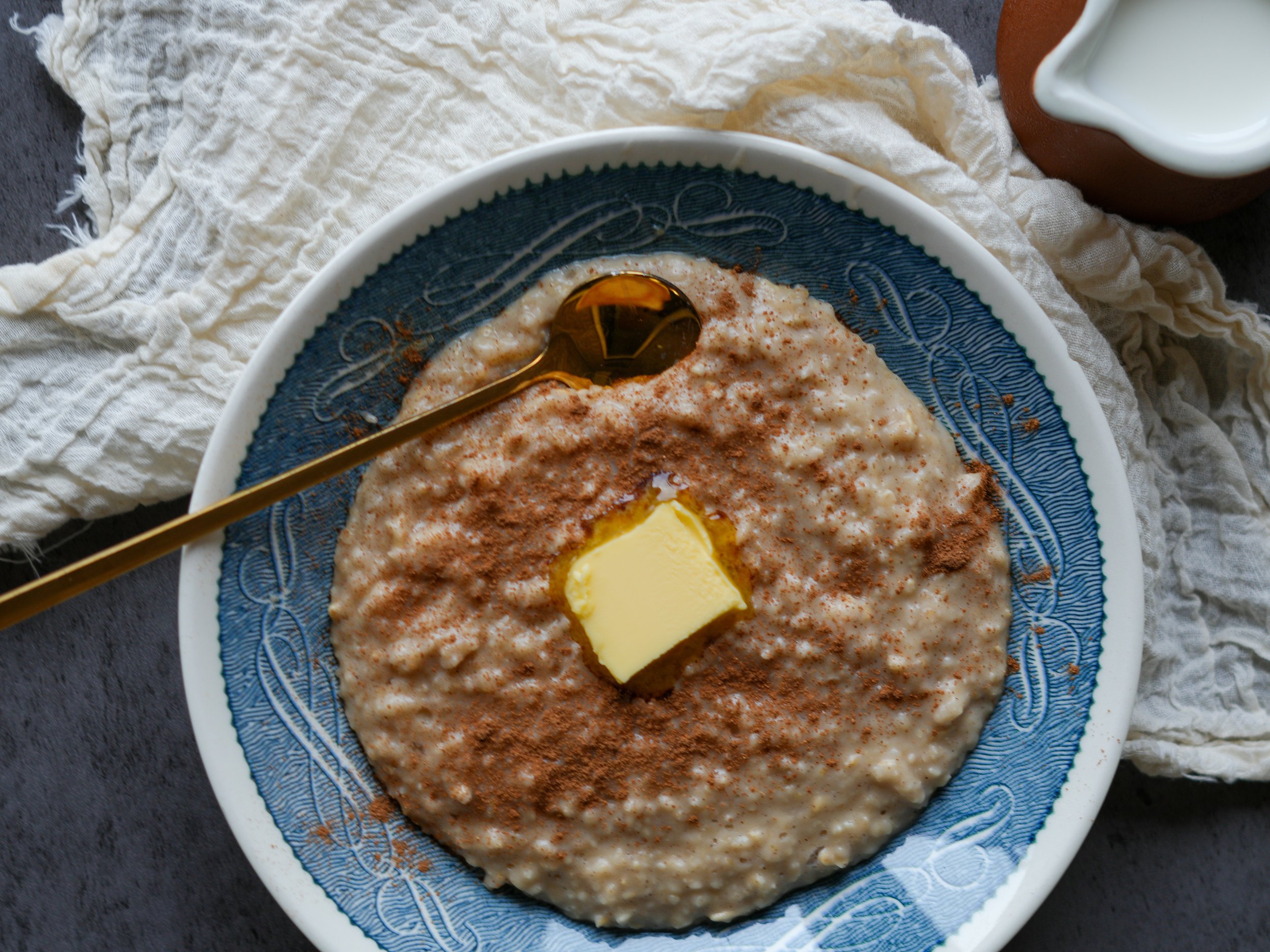
Breakfast: Oatmeal, scrambled eggs, quality sausage, fruit; coffee with half and half and pure maple
Lunch: Leftovers are usually king! I aim for protein + carbs + fat. For example, chicken thighs, sweet potatoes, avocado, etc.
Dinner: Roast with potatoes and carrots (my Nourish book has a SUPER easy and flavorful version!)
Snacks if needed: something like greek yogurt with honey, fruit; cheese with a bit of nuts and fruit, etc.
My Nourish book also has several full page guides on how to build balanced breakfast, lunches & dinners, and snacks that can be a great launch pad for making this work in your own home!
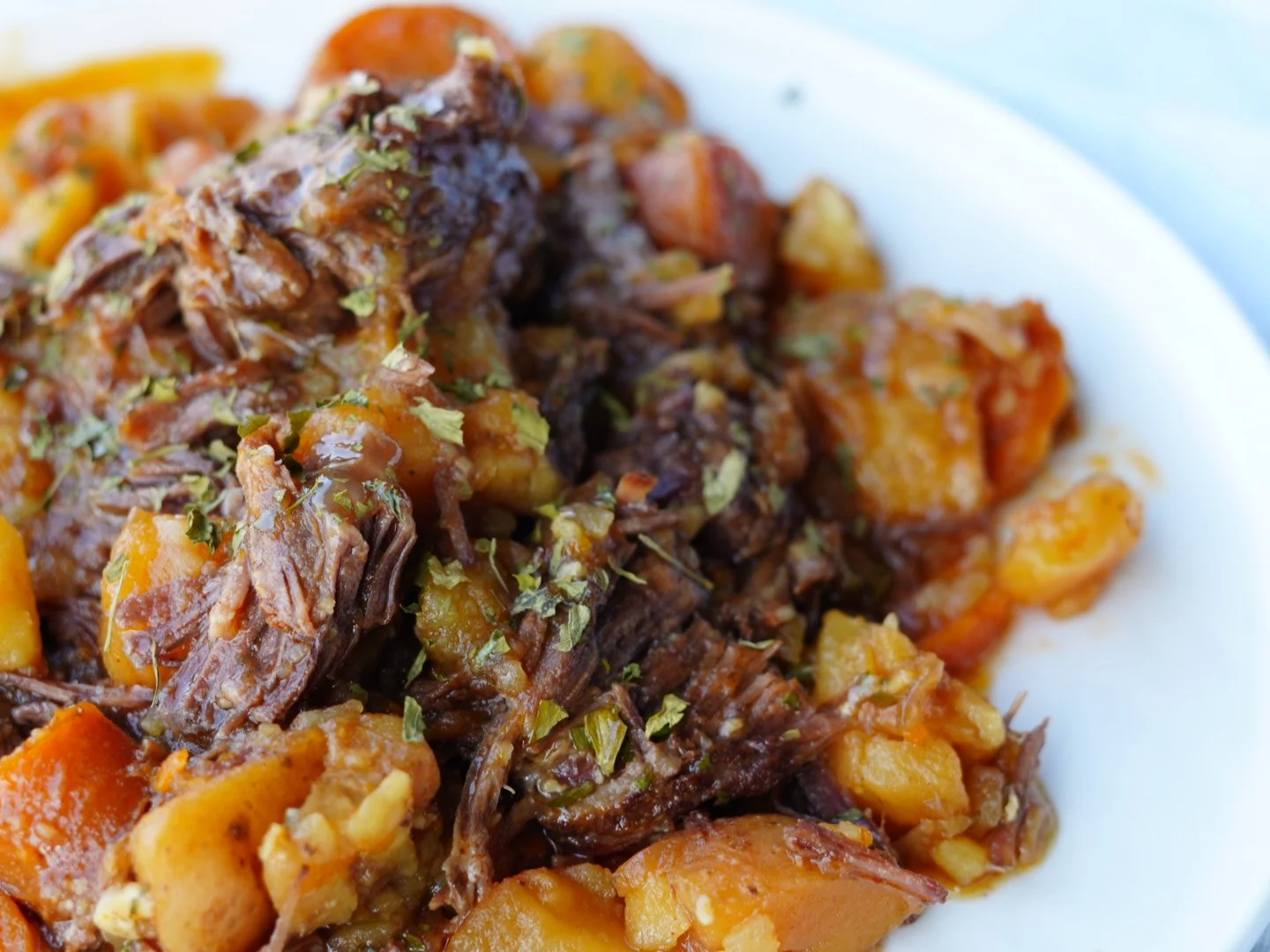
Easy Real Food Meals for Beginners
You can find some of my very favorite beginner-friendly (or veteran, or anywhere in-between!) recipes both inside my Nourish Cookbook in particular, and also in my 5 Real Food Family Dinners Download!
Inside this download, you’ll find beloved, low-prep favorites like Greek bowls, Hamburger Skillet, and the BEST meatloaf you’ve ever had.
I hope this helps you feel empowered in your real food journey, friend!
Thanks for reading and being here!
RELATED POST: Why Does Real Food for Kids Matter?
RELATED POST: What Is Ancestral Eating? (A Simple, Real-Food Approach for Modern Families)
RELATED POST: 6 Easy Dinner Recipes (From a Full Time Recipe Developer!)