Are Artificial Food Dyes Bad? Why My Family Avoids Them (And What We Use Instead)

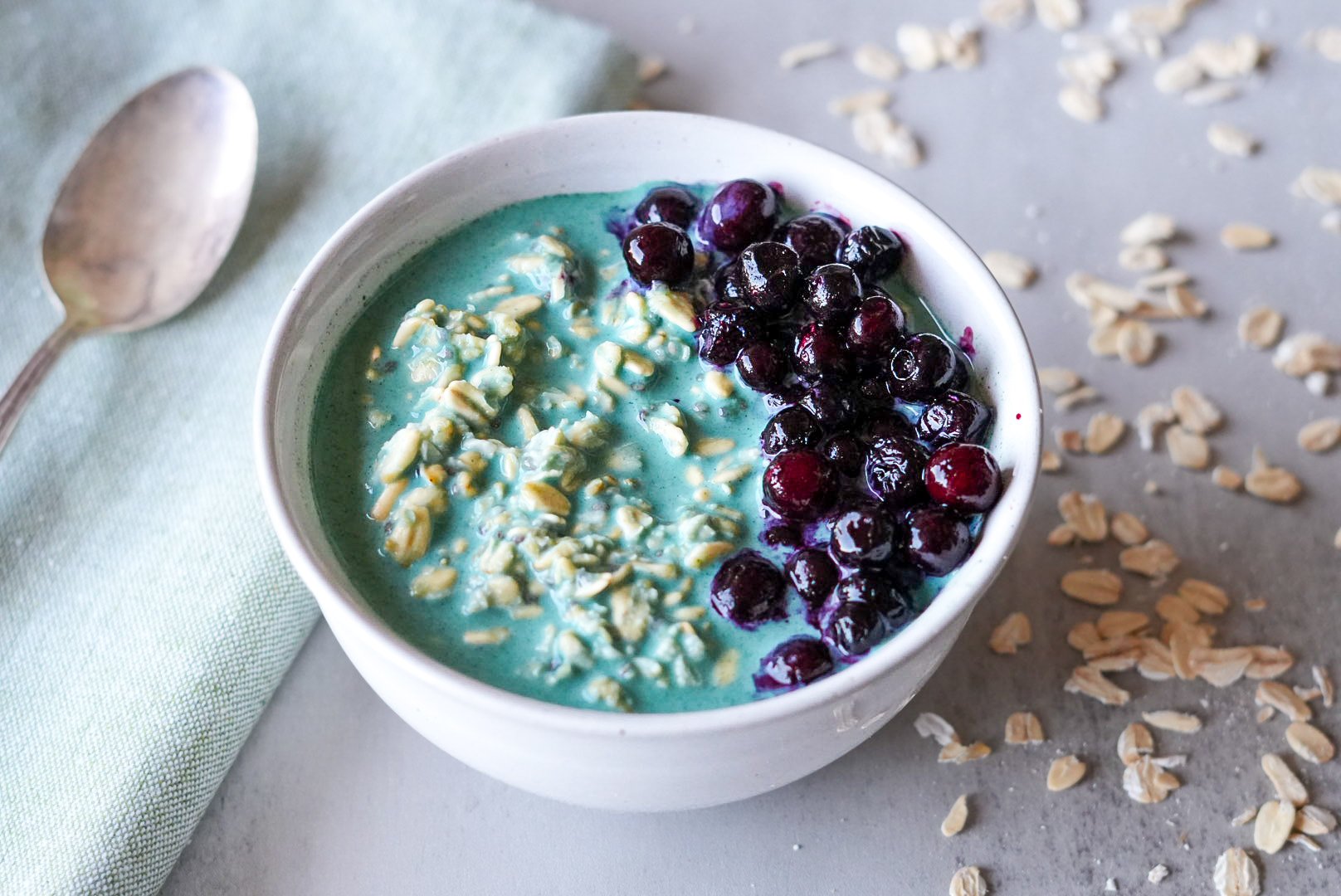
Can you believe these are food dye free? These vibrant teal muffins are in my Tots cookbook - healthy, dye-free, & whole food recipes even your picky kids will love!
For a long time, I didn’t think much about artificial food dyes.
In my own childhood, bright colors made food more fun, and it just felt…normal.
But the more I started paying attention to ingredients, the more I kept coming back to one question:
Why are we adding dye to food in the first place?
What Are Artificial Food Dyes?
Artificial food dyes are synthetic colors added to food and drinks to make them look more appealing.
They’re often made from petroleum-based chemicals and don’t add any nutritional value - they’re purely for appearance.
You’ll usually see them listed on labels as:
Red 40
Yellow 5
Yellow 6
Blue 1
Once I started noticing them, I realized they were in SO many everyday foods, especially ones marketed to kids! A lot of the recipes I started making at home eventually became part of my Tots Cookbook, where I focus on simple, kid-friendly foods made without artificial dyes or unnecessary ingredients.
Are Artificial Food Dyes Bad for You?
This is where things can feel a little confusing.
The general internet advice will tell you artificial dyes are considered safe for most people in small amounts, but there are also studies that suggest some children may be more sensitive to them, especially when it comes to behavior and hyperactivity.
And for me, that was enough to pause.
I’m not trying to live in fear or eliminate everything from our lives, but I do try to ask:
Is this ingredient actually serving a purpose? Did it exist in a historical context?
In the case of food dyes, the answer is a strong no. They’re just there to make food look brighter or more appealing and not without consequence or question!
Why My Family Chooses to Avoid Artificial Food Dye
For us, it really comes down to a simple mindset shift.
If something doesn’t add value, and there’s even a small question around it, I’d rather skip it when I can.
Especially when it comes to our kids, I’d rather keep things as simple and real as possible!
To start, I want to clarify that this conversation is not about fear-mongering & never having one-offs.
Each of my kids has consumed food dye at some point. But it's not a regular thing and is high on our list of "almost never".
But part of "food freedom" is having the full awareness of how things effect our health & bodies.
Because again, artificial food dye is currently made out of…PETROLEUM.
Yes, petroleum. And it has been linked to things like cancer, ADHD, anxiety,, allergies, the list goes on. Just try a web search for "food dye studies".
Now please note I did not say these conditions were “caused" by” food dye, but there is a valid reason these colorings are banned in other developed countries.
Take a peak at this PubMed study snippet below:

Yikes, Scoob.
And as always, this is for educational purposes, not for shaming or judgment!
The good news is, once you remove food dyes from your family's diet, you're also taking out a large number of things that really just weren't meant for human consumption, and will inevitably have to shift to a more whole foods-based diet!
(and just to be real clear since I am such a big food freedom advocate - food dye is not actual food. OK great)
Easy Ways To Start Cutting Back on Food Dye
If you’re just getting started, you don’t have to overhaul everything overnight.
Here are a few simple things that make a big difference:
Start reading labels (even just casually at first)
Watch for Red 40 - it’s one of the most common!
Swap out a few favorites/most frequent offenders instead of everything at once
Focus on progress, not perfection
Even small changes add up over time!
This exact goal is a big part of why I created my Tots Cookbook - to make that transition simpler with recipes that are already kid-approved and dye-free!
Natural Food Coloring Alternatives We Love
One of the biggest things that helped was realizing we didn’t have to give up fun foods, we just needed better options.
And the OTHER good news is that you can color your food with other real-food choices! Some favorites around our house are:
-spirulina powder (green or blue!)
-turmeric
-beet root powder or beet juice
-chlorophyll
-pomegranate juice
-blueberry juice
-purple sweet potatoes
-& cacao powder to name a few!
I tend toward using these alternatives as opposed to any certain brand of natural food coloring, but those are available and certainly a better choice than artificial dye!
This is something I’ve leaned into a lot in my own kitchen - finding ways to keep food fun and colorful without relying on artificial dyes. I share a lot of these ideas (and the exact recipes we use) inside my Tots Cookbook, especially for things like muffins, snacks, and treats that kids already love!
It’s Not About Fear, It’s About Being Intentional!
This isn’t about being extreme or judging anyone else’s choices.
It’s just about being a little more aware and making small swaps where it makes sense for your family.
For us, avoiding artificial food dye is one of those simple shifts that feels doable and worth it!
Let’s Recap + Final Thoughts!
At the end of the day, artificial food dyes are there to make food look better, not to nourish our bodies. And once I really understood that, it made the decision easier for our family.
I’m continually in awe of how beautifully and vibrantly God naturally created our nourishment and I LOVE getting to share my own dye-free recipes with you!
Want More Dye-Free Ideas?
If you’re trying to reduce artificial food dyes but still want easy, kid-friendly meals and snacks, that’s exactly why I created my Tots Cookbook!
It’s full of simple recipes we actually use in our home - without any artificial dyes, and without overcomplicating things!